Description
Mechanism of Action
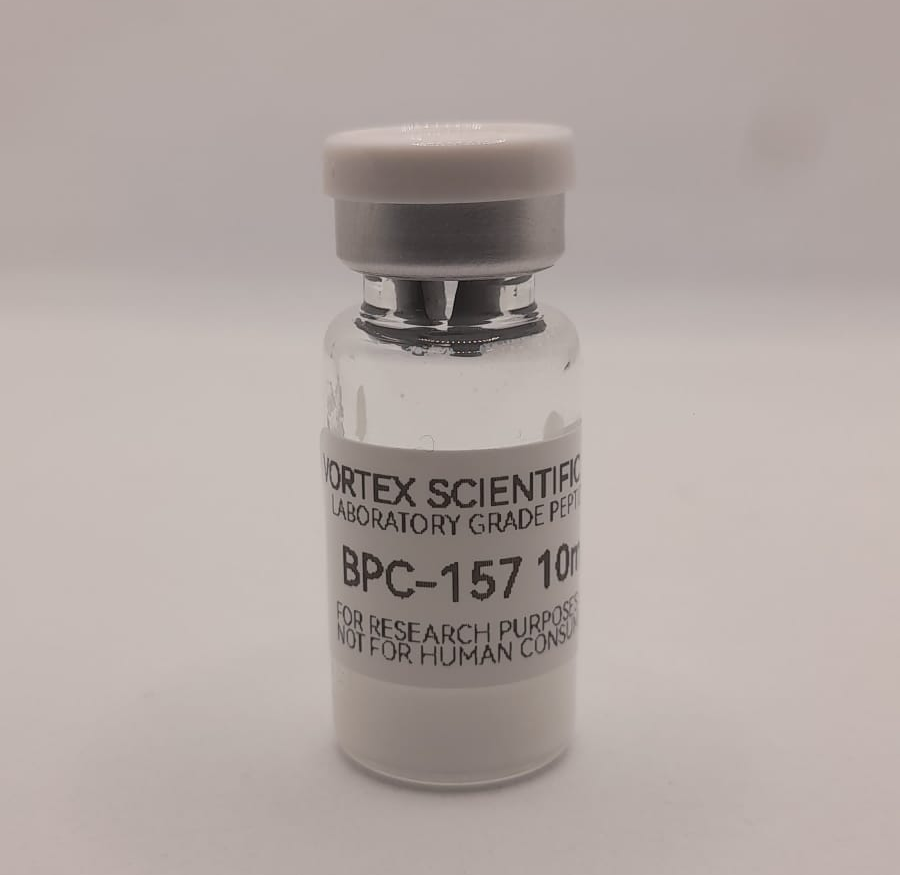
BPC-157 is a 15-amino acid synthetic peptide derived from a naturally occurring protein in human gastric juice. It operates as a pleiotropic agent, meaning it affects multiple biological systems:
Angiogenesis: It stimulates blood vessel growth by activating the VEGFR2-Akt-eNOS pathway. This is critical for healing “hypovascular” tissues like tendons and ligaments that naturally have poor blood supply.
Nitric Oxide (NO) Modulation: It interacts with the NO system, which helps maintain blood vessel integrity and protect the gastric mucosa.
Growth Factor Upregulation: It increases growth hormone receptor expression in fibroblasts, which are cells essential for tissue repair.
Anti-inflammatory Effects: Studies show it can decrease pro-inflammatory cytokines like TNF- and IL-6.
Key Preclinical Findings (Animal Studies)
Animal models (primarily rats and rabbits) consistently demonstrate successful healing of various injuries:
Tendons and Ligaments: Accelerated healing and improved biomechanical strength in transected Achilles tendons and medial collateral ligaments (MCL).
Muscle and Bone: Promoted myogenesis (muscle creation) after crush injuries and accelerated the healing of segmental bone defects.
Gastrointestinal Health: Effective in treating gastric ulcers, inflammatory bowel disease (IBD) models, and various types of organ damage induced by alcohol or NSAIDs.
Neuroprotection: Demonstrated the ability to normalize neurotransmitters (dopamine and serotonin) and reduce brain damage in models of multiple sclerosis and Parkinson’s disease.
Human Clinical Data
As of early 2026, only a few small human pilot studies have been published:
Musculoskeletal Pain: A retrospective study of 12 patients with chronic knee pain reported that 7 individuals experienced subjective relief for over 6 months following a single intra-articular injection.
Interstitial Cystitis: A pilot study showed symptom improvement in patients with chronic bladder inflammation.
Safety/Pharmacokinetics: A 2025 pilot study on two healthy adults found that intravenous infusions up to 20 mg were well tolerated with no acute adverse events and returned to baseline plasma levels within 24 hours.
Safety and Regulatory Status
FDA Status: Not approved for any human medical use. The FDA has categorized it as a “Category 2” bulk drug, barring it from use in compounded medications due to insufficient human safety data and potential for immunogenicity (triggering an immune response).
WADA/Sports: Strictly prohibited in both competition and training by the World Anti-Doping Agency (WADA) under the S0 “Unapproved Substances” category.
Toxicology: Animal studies have not identified a “lethal dose”, even at high concentrations. However, theoretical risks include pathological angiogenesis (potentially aiding tumor growth) and unknown long-term effects due to the lack of large-scale human trials.
Would you like more detail on the specific dosing protocols used in these animal studies or information on its current legal status in specific regions?
Reviews
There are no reviews yet.