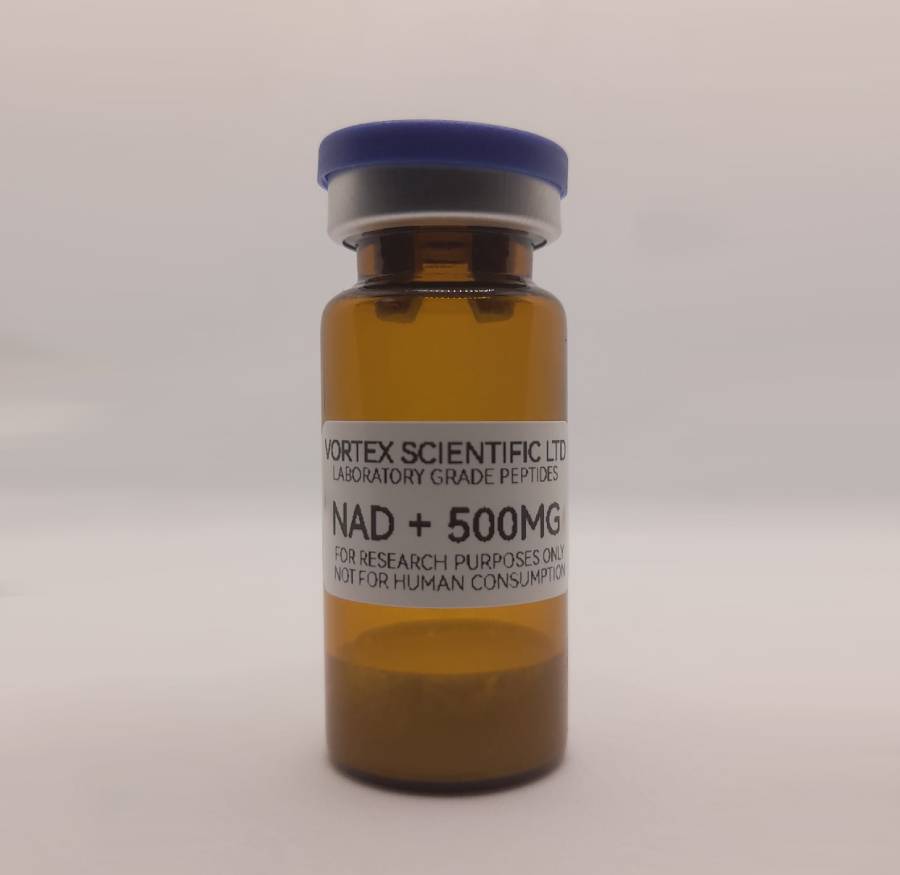
Description
Core Biological Functions
Energy Metabolism: NAD+ accepts electrons during glycolysis and the Citric Acid (Krebs) Cycle to become NADH. In the mitochondria, NADH donates these electrons to the Electron Transport Chain (ETC) to fuel ATP production.
DNA Repair: It is a mandatory co-substrate for PARPs (Poly ADP-ribose polymerases), which detect and repair DNA damage. High levels of DNA damage can rapidly deplete cellular NAD+ stores.
Aging & Longevity: Sirtuins (SIRT1-7) use NAD+ to remove acetyl groups from proteins, a process that regulates lifespan, stress resistance, and mitochondrial health in multiple organisms.
Calcium Signaling: NAD+ is converted into secondary messengers like cyclic ADP-ribose (cADPR) by enzymes such as CD38, which regulate intracellular calcium levels and immune responses.
NAD+ Biosynthesis Pathways
Cells maintain NAD+ levels through three primary biochemical routes:
Salvage Pathway: The most efficient and dominant route in humans, recycling nicotinamide (NAM), nicotinamide riboside (NR), or nicotinamide mononucleotide (NMN) into NAD+.
De Novo Synthesis: Converts the amino acid L-tryptophan into NAD+ through the kynurenine pathway, primarily in the liver and kidneys.
Preiss-Handler Pathway: Converts nicotinic acid (Niacin) into NAD+ via a series of enzymatic steps involving NAMN and NAAD.
Clinical & Scientific Observations
Age-Related Decline: Research consistently shows NAD+ levels decrease with age in humans and animals, potentially driving age-related diseases like neurodegeneration, metabolic syndrome, and cardiovascular decline.
Supplementation Safety: Clinical trials for precursors like NR and NMN suggest they are generally well-tolerated at doses up to 1000 mg/day, though long-term human safety data are still developing.
Potential Side Effects: Reported minor side effects include nausea, flushing (primarily with Niacin), fatigue, and headaches. There are theoretical concerns about high-dose supplementation impacting methylation or potentially promoting existing tumor growth, though direct carcinogenicity has not been established.
Reviews
There are no reviews yet.